
Our first case
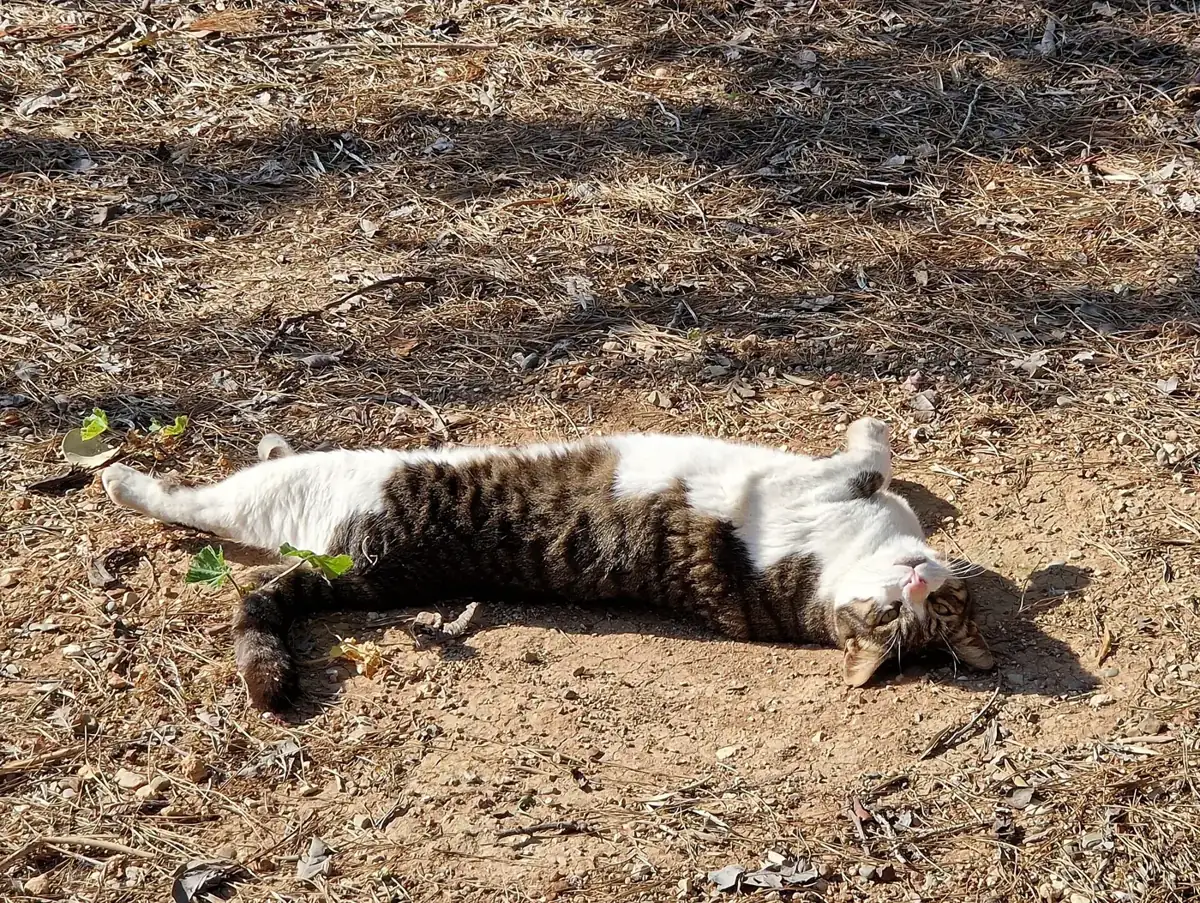
Cyprus, the island of cats.
People and cats have shared Cyprus for thousands of years. Today the island has about as many street cats as people, and nobody knows exactly how many. It’s where we live, and where we’re proving StrayBond works.
The numbers
More cats than anyone can count.
- 1.2MpeopleCyprus’s official population.
- 1–1.5Mstreet cats, at a guessWelfare groups’ estimates. There’s no official count, and the authorities have said they can’t calculate one.1
- ~2,200neutered a yearThrough the state’s islandwide programme, which the Veterinary Services say reaches less than the real need.2, 3
Live from Island of Cats
What players have counted so far.
Every cat below was photographed by an Island of Cats player in Cyprus and given its own identity. It’s a start, not a census, and it grows every day.
- –street cats with an identity
- –sightings
- –kittens
- –ear-tipped (neutered)
By district
Areas only, never where a cat lives. The ear-tipped share is a first look at how much neutering has reached the cats players meet.
What Cyprus already does
The will is there. The shared picture isn’t.
Cyprus isn’t starting from nothing. Thousands of people feed street cats every day. Volunteers trap, neuter and return them. Councils run their own neutering drives, and the state funds an islandwide programme that local authorities, welfare groups and vets apply to each year.2
What’s missing is a way to see it all together. Most neutered cats go back to the street with no shared record of who they are or how they’re doing. Nobody can say which colonies have been neutered, which haven’t, or where the money would do the most good.
June 2026
A meeting led by the Commissioner for the Environment and Animal Welfare, with the Veterinary Services, the agriculture ministry, the animal police and welfare groups, backed a digital platform for managing stray animals, microchipping for neutered street cats, and recognising the volunteers who do the neutering.3
Cyprus’s vets have proposed an islandwide plan that adds registering and microchipping street cats to neutering, and say the population could be brought under control in about four years.4 A plan like that needs to know where the cats are, which ones are done, and who looks after them.
Where StrayBond fits
One record per cat, for everyone who helps.
-
Counting the cats
 Island of Cats
Locals and visitors catch the cats they meet. Each one gets its own identity, and the map shows where the cats are, by area, never their exact spot.
Live in Cyprus
-
Doing the work
 StrayCare
Feeders and neutering volunteers keep their colonies, cats and neutering jobs in one place, and act on the reports people send in.
In development
-
Planning with numbers
 StrayWatch
Councils see colonies, neutering and reports in their own area, so neutering money goes where it’s needed.
Planned
The plan
Prove it here, then take it anywhere.
We start where the need is plain and the people already care. Once the model works in Cyprus, it can work in any place with street cats.
- 1Map the catsNow
- 2Equip the carersNext
- 3Give councils numbersAfter that
Why “island of cats”
11,000 years together.
Cats aren’t native to Cyprus. The first farmers brought them over the sea, and the oldest known grave of a cat buried with a person, about 9,500 years old, was found here. Legend says Saint Helena shipped in cats to clear the south of snakes, and the cape they cleared is still called Cape Gata, the Cape of Cats.
Working on street cats in Cyprus?
Councils, welfare groups, vets and volunteers: we’d like to build this with you.
Sources
- Cyprus Mail: Current cat neutering programme ‘hopelessly inadequate’ (2022); Cyprus Mail: Petition urges vet services to boost cat neutering programme (2021)
- Cyprus Mail: Applications open for stray cat sterilisation scheme (June 2026)
- Cyprus Mail: Proposal to microchip sterilised stray cats gains support (June 2026)
- Cyprus Mail: Vets propose islandwide neutering plan to tackle stray cat overpopulation (October 2025)